CBOM Secure > Functionalities
Cryptographic Visibility for Quantum Readiness
Continuous cryptographic visibility from cloud to source code, aligned to NIST PQC and CNSA 2.0.

Trusted By





















WHY CHOOSE CBOM Secure?
Discover. Assess. Migrate.
Most certificate management and PKI tools stop at issuing, renewing, and tracking certificates. CBOM Secure discovers the cryptography those tools never see, across infrastructure, cloud, source code, binaries, databases, HSMs, and KMS, and brings all of it into one normalized inventory, so you always know what cryptography you run, where it lives, and what needs to change.

Risk Classification
Classify every cryptographic asset across four risk bands by algorithm, exposure, lifecycle, and key reuse risk.
Risk Remediation
Integrate with SIEM, GRC, and ticketing platforms to streamline remediation workflows.
Continuous Monitoring
Continuously monitor cryptographic posture and detect configuration changes, key reuse, and emerging risks over time.Discover The Functionality Of CBOM Secure
Simplify cryptographic governance from discovery to audit, with continuous inventory generation, automated risk assessment, policy enforcement, and CycloneDX 1.6 and 1.7 outputs.
Asset Intelligence
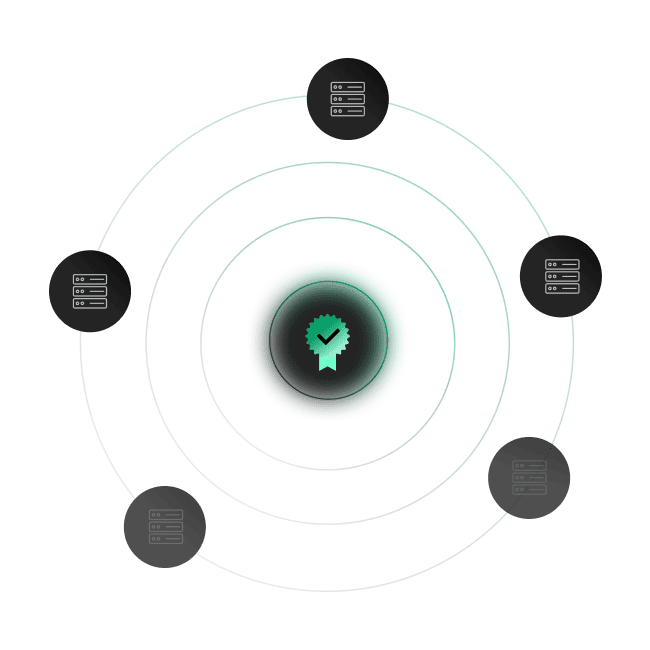
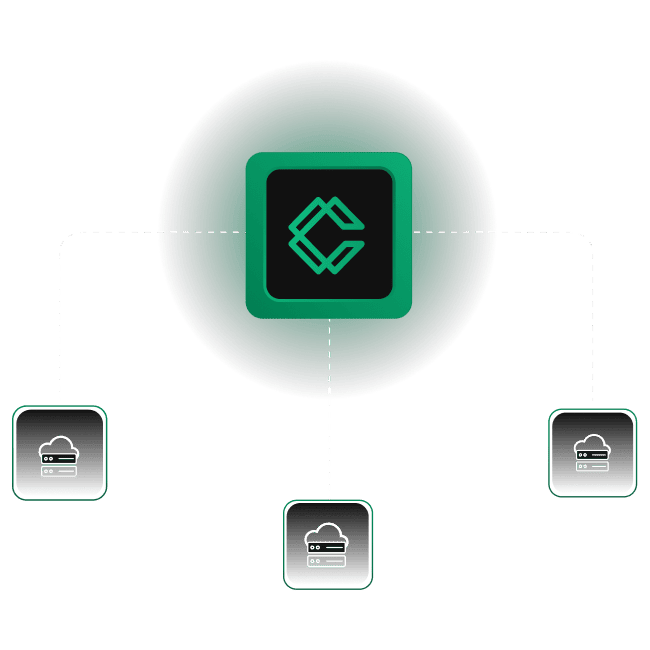
Continuously generate a complete cryptographic inventory across source code, binaries, key stores, databases, hardware modules, and cloud.
- Discover algorithms, keys, and source code across 7+ languages, 70+ libraries, and 880+ function patterns with call graph reachability.
- Detect hybrid TLS and NIST quantum safe algorithms already running in production.
- Maintain continuously updated visibility across cloud, infrastructure, and application environments.
Dependency Mapping
Map every cryptographic asset to the applications and entry points that reach it.
- Distinguish dormant cryptography from production usage.
- Identify shared cryptographic components and key reuse.
- Accelerate incident impact analysis and dependency tracing.
Risk Control
Define and enforce cryptographic standards with continuous compliance evaluation.
- Evaluate against NIST, FIPS, PCI DSS, and CNSA 2.0.
- Score every asset across four risk bands by algorithm, lifecycle, and key reuse.
- Identify weak and quantum vulnerable cryptography across production.


Controlled Migration
Plan migration with crypto agility scoring and dependency analysis.
- Replace weak, deprecated, and quantum vulnerable cryptography first.
- Measure crypto agility across hosts before mandates hit.
- Track migration progress and residual risk over time.
Discover Our
Latest Resources
- Blogs
- White Papers
- Videos
Education Center
Google's 90-Day TLS Certificate Proposal: What Actually Happened
See what happened to Google's 90-day TLS certificate proposal and the SC-081v3 schedule the CA/Browser Forum adopted instead.
Read more
White Paper
The Cert Wars: The Race Against Expiry
One expired certificate (cert) can bring operations to a halt. Discover how to prevent outages and manage certificate expiry before it impacts your business.
Read more

Video
The 2029 Convergence: Why Microsoft, Google, and Cloudflare All Chose the Same PQC Deadline
Explore expert insights on cybersecurity, PKI, and post-quantum readiness, with practical guidance to strengthen security and future-proof cryptography.
Watch Now